Why a software company is making a game
For fifteen years we have built software for other people's work. This week we started a game. Why a company that ships Jira apps and custom software is opening a game studio, and the rules we set for it on the first day.
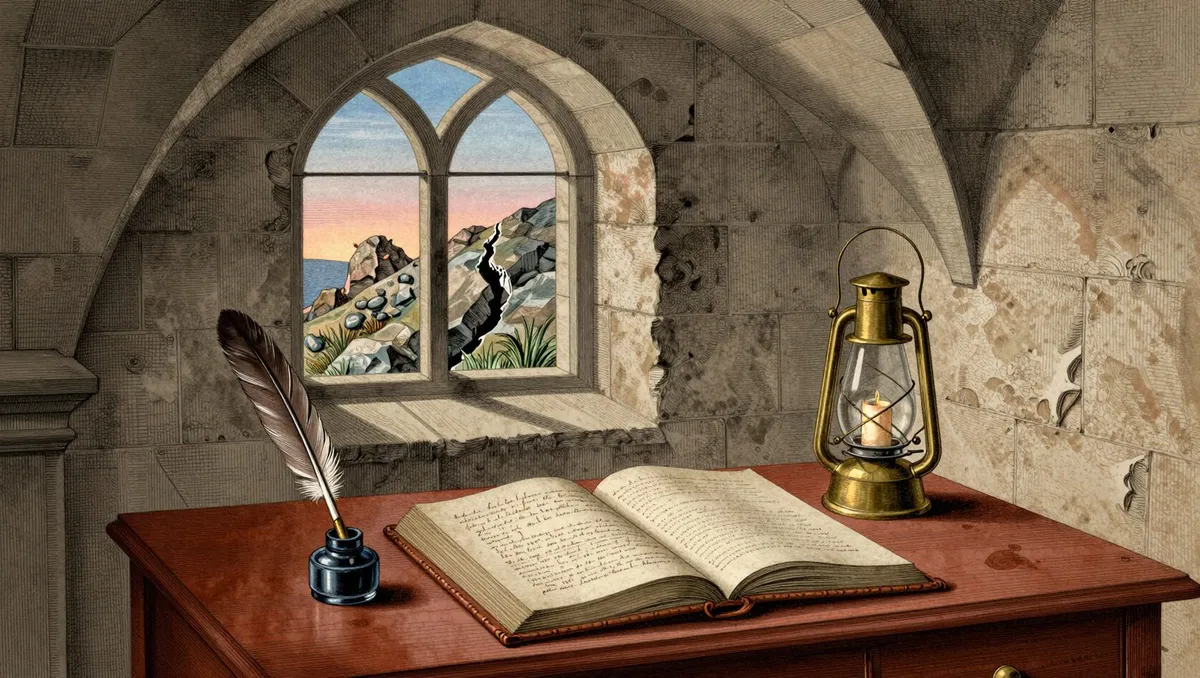
Our work has always been software for other people’s work: budgets, migrations, integrations, the tools a team uses all day. This week we started something for people’s evenings.
Numeric Oasis has built software since 2011. Today most of it is either custom work for clients or apps on the Atlassian Marketplace. This week we started a third line of work, a game studio, and the first thing it is making is a game called Kindelve.
It is a reasonable thing to be asked why. Here is the honest answer, and the rules we wrote down before anyone drew a single creature.
Because a game is the hardest test of the same discipline
Business software is forgiven a great deal. A report that takes four seconds to load is annoying; a dashboard with an awkward filter is used anyway, because the work requires it. A game is forgiven nothing. A dropped frame is felt. A rule that behaves differently twice is noticed, discussed and resented. A player who loses an evening of progress does not file a ticket; they leave.
That makes a game an unusually honest test of engineering discipline. The habits we rely on for client work, small releases, a test for every fix, a build that refuses known mistakes, either hold up under that pressure or they do not. We would rather find out on our own product than on someone else’s.
Because the techniques travel both ways
Much of what a good game needs is what good business software needs, with the volume turned up. A simulation that gives exactly the same answer on every device is also how you build an audit trail you can replay. Saving progress across a phone and a laptop that were both offline is the same problem as an offline-first field service app. Fitting a rich experience into a mid-range phone’s budget is the same discipline as keeping an internal tool fast for the colleague on an old laptop.
We expect the studio to make our client work better, not to distract from it.
What Kindelve is
Kindelve is a creature-collection dungeon descent. You are the Warden of a rift in the ground. You send creatures down it; they fight their way deeper on their own; and your decisions are what goes down, what it carries, and when to stop. A single descent lasts minutes. What it leaves behind, stronger creatures and a record of how deep you reached, lasts much longer.
The question at the heart of it is a simple one, repeated: how deep is deep enough? One floor further is always worth more, and always more likely to end the descent with nothing.
The rules we set on the first day
Before any art or any balance numbers, we wrote down the constraints the game has to live inside. They are easier to keep when they come first:
- It runs in a browser, on a mid-range phone. Nothing to install. The phone is the design target and the desktop gets the surplus.
- The simulation is deterministic. Whole numbers instead of decimals for anything that accumulates, a seeded random generator, and no clock inside the rules. The same descent gives the same result on every device, which is what will let a leaderboard prove a score instead of trusting it.
- One account, every device, eventually. The save is designed from the start to be merged between devices without losing anything, even though the server comes later.
- Free to play, and money buys time and vanity, never power. Nothing that affects how a descent plays out will ever be for sale.
- Small releases to real players, early. Testers get a build that works, and then a better one, rather than a finished game in a year.
What it means if you are a client
Nothing changes in how we work with you. It is the same team, and the studio is a separate line of work alongside custom development and our Atlassian practice. If anything, it gives you a public, playable example of how we build software, which is more than most portfolios can offer. You can follow it on our Game Studio page.
The short version
We started a game studio because a game is the most demanding test of the engineering habits we already rely on, and because what we learn there travels straight back into client work. Kindelve is a creature-collection descent for the browser, built to five rules set on day one: a mid-range phone first, a deterministic simulation, saves designed for many devices, money that never buys power, and small releases to real players.
Made by our Game Studio.
Kindelve is a creature-collection dungeon descent that runs in any browser, free, in five languages. The studio page has the game, how it is built, and what comes next.
Related reading
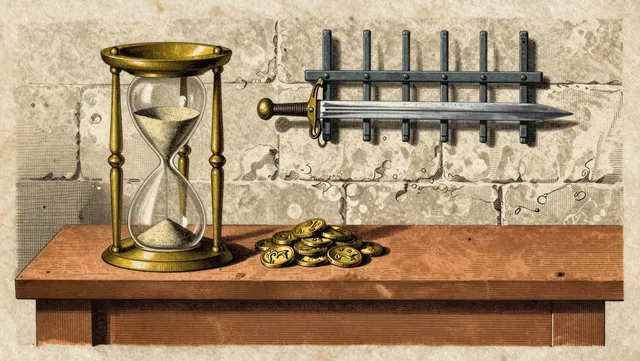
Money buys time, never power: a fair-play rule we enforce with a test
Kindelve is free, and nothing in it can be bought yet. When something can, one rule decides what: money buys time and vanity, never power or access. Why we wrote that rule into the code and the tests rather than into a policy, and what it allows and forbids.

Proving a leaderboard score by replaying it
Every online leaderboard gets cheated, and most of them try to detect it. Kindelve's daily Trial does not detect anything: the game sends its inputs, the server plays the descent again, and a score appears only if the replay reaches the same floor, tick and hash.

Cloud saves that never lose progress: merge by what a field means
One account on many devices means two devices will eventually be played offline and then sync. Last writer wins deletes progress; taking the maximum of everything duplicates currency. How Kindelve merges a save field by field, according to what each field means.